

BMI plus
These supplements aren't mixed in a lab beaker or collected from polluted soil. They are precision grown in the most healthiest plant cells we can grow. Farmaceutical grade.
- Works more, the more weight to lose.
- Unblocks your workouts.
- Stops the obesogen weight gain loop.
Join Our Newsletter For 85% Off
Dietary supplement. Not intended to diagnose, treat, cure or prevent any disease. See the product safety information.
Weight pathways & the chemistry of endocrine disruption
Emerging research proposes links between environmental chemical exposure, hormone signaling, and adipose tissue regulation. Separately, sulforaphane — a compound derived from broccoli — is being studied for its role in cellular defense pathways that may relate to these processes. Neither body of evidence establishes a cure, treatment, or guaranteed outcome. This infographic maps associations and open questions, not conclusions.
Language such as "associated with," "studied for," and "explored in" reflects the state of evidence — not established fact.
Most findings originate from cell cultures or animal models. Human clinical data is limited and often inconsistent.
Nothing here constitutes medical advice, a disease claim, or a promise of weight loss or chemical removal.
The following nodes describe a proposed chain of associations from environmental chemical exposure to adipose tissue signaling. Each node represents an area of active research, not a confirmed mechanism in humans.
- 01 / 06
Environmental exposure
EDC contextEndocrine-disrupting chemicals (EDCs) — including bisphenols, phthalates, and certain pesticides — are found in food packaging, plastics, and some personal-care products. Human bodies regularly encounter low-level mixtures of these compounds through diet, air, and skin contact.
Association only. Exposure does not confirm biological effect.
- 02 / 06
Receptor interference
Hormone pathwaySome EDCs structurally resemble estrogens and thyroid hormones and can bind or block hormone receptors in cell and animal studies. This receptor interference is a proposed mechanism, not a confirmed human physiological outcome.
Cell and animal models. Clinical relevance in humans is debated.
- 03 / 06
Adipogenesis signaling
Fat-cell developmentPreclinical research explores whether EDCs can influence adipocyte differentiation — the process by which stem cells commit to becoming fat cells. Studies show associations between certain EDC exposures and adipogenic gene expression in isolated cell cultures.
Preclinical findings. Human weight outcomes are not established.
- 04 / 06
Leptin and appetite regulation
Satiety signalingLeptin is a hormone that signals satiety to the brain. Some rodent studies report altered leptin levels following EDC exposure. Whether these signals translate into meaningful changes in human appetite or adiposity remains an open and active area of investigation.
Largely animal evidence. Human studies show inconsistent results.
- 05 / 06
Thyroid and metabolic rate
Energy regulationThe thyroid gland regulates basal metabolic rate. Epidemiological associations between certain EDC exposures and thyroid function markers have been published, though causal direction remains uncertain and effect sizes in humans are typically small.
Epidemiological associations only. Not evidence of causation.
- 06 / 06
Cumulative exposure burden
Mixture complexityReal-world EDC exposure involves simultaneous mixtures rather than single compounds. Research on mixture effects is early-stage; standard risk assessment typically evaluates compounds individually, which may not fully reflect combined real-world conditions.
Mixture toxicology is an evolving field with significant uncertainties.
Sulforaphane is studied for interactions with the NRF2 cellular-defense pathway and associated downstream effects. The following notes summarize where the evidence is strongest, where it is speculative, and what remains unresolved.
An isothiocyanate that forms enzymatically from glucoraphanin — a glucosinolate precursor abundant in broccoli sprouts — when myrosinase is active. It does not pre-exist in the plant at meaningful levels; the formation reaction is the critical factor in bioavailability.
- 01 / 05
NRF2 pathway activation
Cellular defense signalingSulforaphane is among the most studied natural activators of the NRF2 transcription factor. NRF2 regulates expression of antioxidant-response genes including HO-1, NQO1, and glutathione-synthesizing enzymes. This is one of the better-characterized phytochemical–pathway interactions in the literature.
Mechanism is well-characterized in cell and animal models; clinical translation varies.
- 02 / 05
Phase II enzyme induction
Glutathione and conjugationNRF2 activation can increase hepatic and gastrointestinal phase II enzyme activity — enzymes that conjugate reactive metabolites for excretion. Research has explored whether this pathway influences the processing of environmental compounds; whether it meaningfully alters EDC body burden in humans has not been established.
Enzyme induction shown in humans; EDC-specific effects are not confirmed.
- 03 / 05
Adipose tissue associations
Metabolic contextPreclinical studies — primarily in rodent models — have examined whether sulforaphane supplementation affects fat accumulation, adipocyte gene expression, or insulin sensitivity markers. Some reports show favorable associations; others show null results. Human clinical evidence is limited and inconsistent.
Preclinical signals only. Not evidence that sulforaphane causes weight loss.
- 04 / 05
Inflammation markers
Cytokine associationsSeveral human pilot studies have examined sulforaphane in the context of inflammatory markers (CRP, IL-6, TNF-alpha). Results are mixed. Some sub-groups show modest reductions; others do not. Inflammation is associated with metabolic dysfunction, though the clinical significance of these findings is not established.
Small human studies. Effect sizes are modest and inconsistent.
- 05 / 05
Glucosinolate source integrity
Bioavailability contextSulforaphane is not present in significant quantities in raw broccoli — it forms when the precursor glucoraphanin is hydrolysed by the enzyme myrosinase after cell disruption. Heat destroys myrosinase; preserving this enzyme alongside the precursor is a meaningful formulation consideration that affects delivered sulforaphane.
Formation chemistry is well established; delivered amounts vary by preparation.
Sulforaphane removes, neutralizes, or detoxifies specific environmental chemicals from the body.
Taking a supplement will cause weight loss or prevent obesity.
EDC exposure is the primary cause of any individual's weight concerns.
The EDC–adiposity association is causal rather than correlational in humans.
Sulforaphane is a treatment or preventative for any disease or condition.
This information covers every relevant pathway, chemical, or biological variable.
- Heindel et al., 2017 Obesogens: an emerging threat to public health. Am J Obstet Gynecol.
- Babu et al., 2023 Sulforaphane and NRF2: emerging role in adipose tissue biology. Antioxidants.
- Endocrine Society, 2020 Position statement: plastics pose threat to human health.
- Dinkova-Kostova & Talalay, 2008 Direct and indirect antioxidant properties of inducers of cytoprotective proteins.
- WHO / UNEP, 2013 State of the Science of Endocrine Disrupting Chemicals.
This infographic is editorial and educational in nature. It reflects associations and hypotheses found in scientific literature as of the date of publication; it is not comprehensive and should not be taken as a complete review of the field. Nothing presented here constitutes medical advice, a claim that any product diagnoses, treats, cures, or prevents any disease, a claim that any supplement will cause weight loss, or a claim that any supplement removes, neutralizes, or detoxifies specific chemicals from the body. Individual responses to dietary supplements vary and cannot be predicted. Endocrine-disrupting chemical science and its relationship to metabolic health is an evolving field; findings should be interpreted cautiously and in consultation with a qualified healthcare professional. Gracious Farmaceuticals BMI is a dietary supplement.
What We Believe In
- 01 / 03
Hand Grown
The best ingredients cannot be grow in soil, well on this planet anyway. Every farm is so polluted that you have grow these crops indoors. We've made it unbelievably sustainable.
- 02 / 03
Inclusive
Better health should not be gated by price or complexity. We make access part of the work, not an afterthought.
- 03 / 03
Unadultered
Nothing to hide and nothing to disguise. Whole-plant ingredients, clear labels, and testing that lets every lot speak for itself.
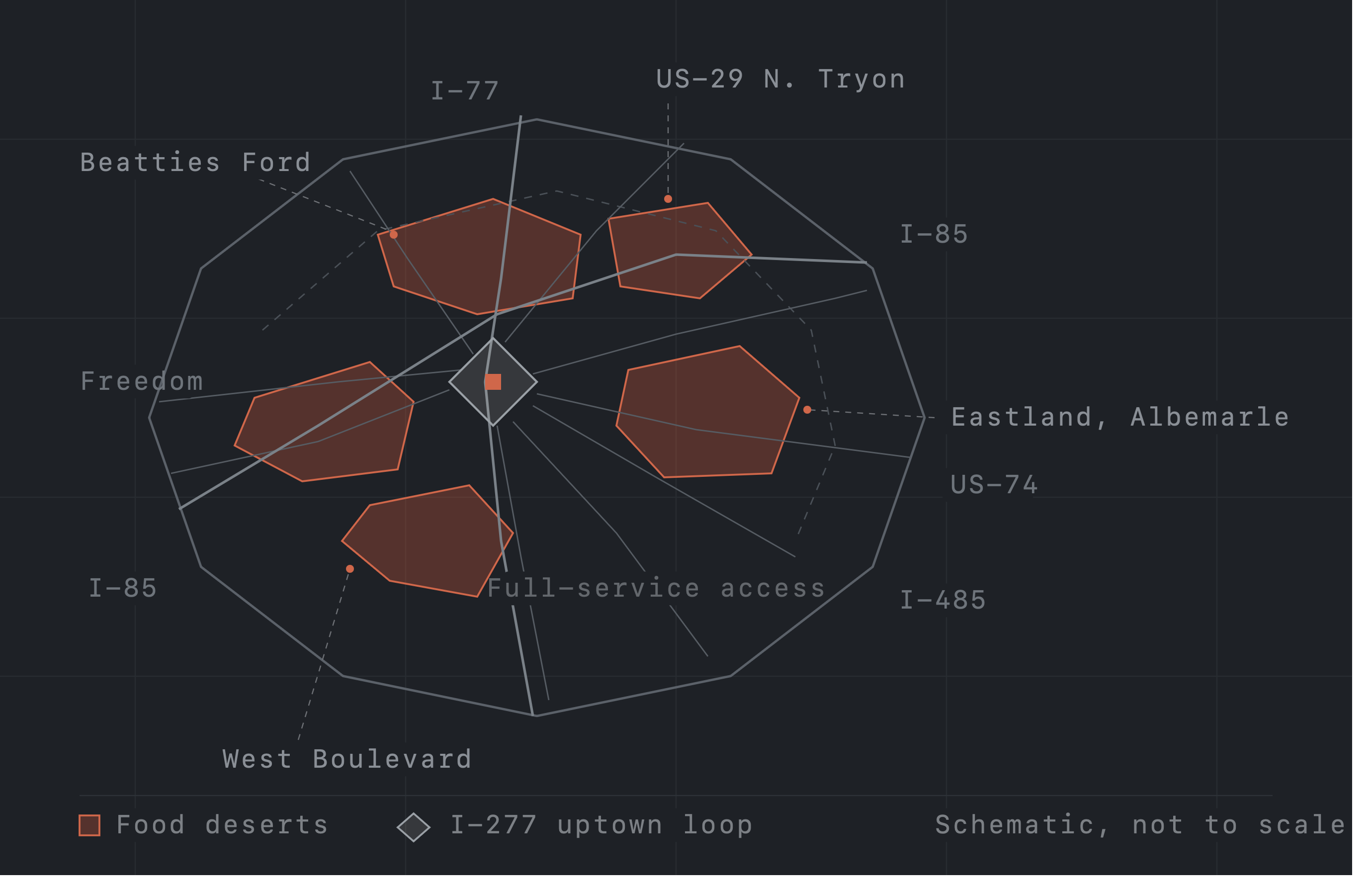
Erasing Food Deserts
We are an architecture firm that designs and oerates vertical farms, for affordable local food and farmacueticals.
Our process
- 01 / 06
Grow
We cultivate plants with care, patience, and respect for the land.
- 02 / 06
Harvest
We gather each crop at its peak so its character can carry through.
- 03 / 06
Test
We check every batch for identity, quality, and consistency.
- 04 / 06
Formulate
We turn thoughtfully grown plants into practical daily formats.
- 05 / 06
Pack
We protect each product with clear information and intentional design.
- 06 / 06
Deliver
We bring the work from our Farmacy to your everyday ritual.
The science of sulforaphane
From a whole plant to a measured powder, each step keeps the origin visible and the science easy to follow.
- 01 / 04
Precursors
Sulforaphane forms when the plant precursor glucoraphanin meets myrosinase. Keeping both together supports formation after preparation.
- 02 / 04
NRF2
Sulforaphane is studied for activating NRF2, a pathway that helps regulate cellular defense and antioxidant-response genes.
- 03 / 04
BPA
Researchers study sulforaphane in relation to endocrine-disrupting chemicals such as BPA; protective effects in humans are not established.
- 04 / 04
Obesity
Studies explore relationships between sulforaphane, metabolism, and obesity-related pathways; it is not proven to cause weight loss or treat obesity.

About Us
GetGracious, LLC designs and operates "farmacies" for local food and supplement production. Our unique palletized approach to indoor agriculture enables us to produce "farmacueticals," plant bioactives for the health and wellness industry. These subsidize our food production and enables us to erase food deserts.
- 01 / 03
Growers
Close to the crop, from first leaf to final harvest.
- 02 / 03
Scientists
Keeping the chemistry clear, measured, and intact.
- 03 / 03
Neighbors
Making better food and health part of everyday life.